
Decode Your Color Code: A Comprehensive Guide to Core Motives
Take Color Personality Test Online
Get StartedWhat Is the Color Code and Why Does It Endure
The Color Code is a motive-centered personality framework that maps behavior back to the “why” beneath our choices. Instead of tallying traits on a spectrum, it orients around four core drives, power, intimacy, peace, and fun, and uses those lenses to explain strengths, blind spots, and predictable patterns under stress. Because motive precedes behavior, the model gives teams and individuals a shared vocabulary for navigating conflict, sharpening collaboration, and crafting growth plans that actually stick. Coaches prize its accessibility; leaders appreciate how quickly it turns into action.
While some typologies feel technical or remote, this approach resonates because it balances nuance with memorability. Within many coaching circles, the color code personality test functions as an approachable gateway to deeper self-awareness, translating complicated dynamics into vivid color stories people remember. Practitioners often deploy it during onboarding, retreats, or leadership pipelines, where it accelerates rapport and primes candid dialogue. Even skeptics tend to acknowledge its pragmatic usefulness in everyday conversations about expectations, boundaries, and decision-making.
The framework’s staying power also comes from its behavioral specificity. Colors are not labels to hide behind; they are hypotheses to test through observation and feedback. When used responsibly, the model spurs curiosity rather than judgment, inviting people to ask better questions about needs, triggers, and restorative choices. That attitude, humble, exploratory, and iterative, helps organizations transform personality insights into durable cultural habits.
How the Model Works: Motives, Strengths, and Triggers
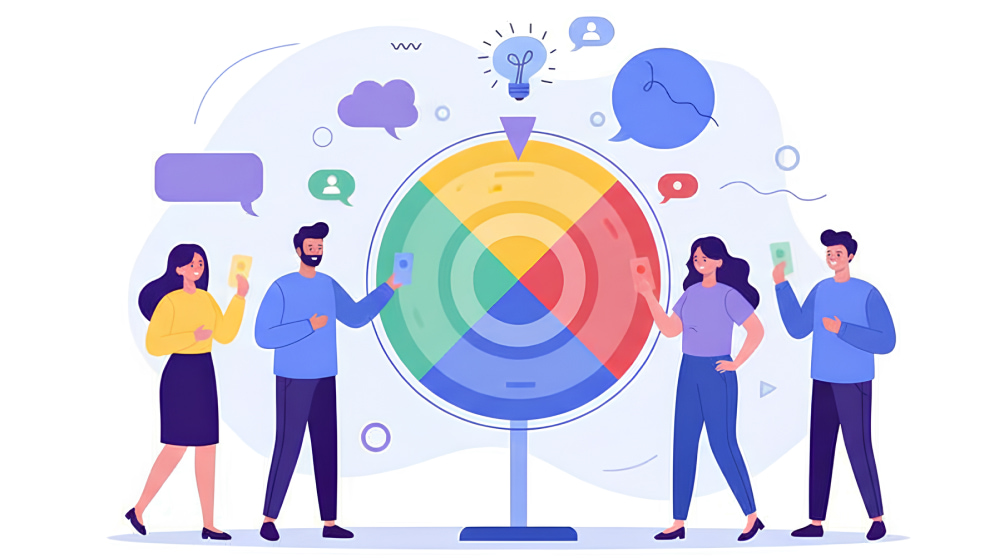
Under the Color Code approach, motive is the starting line. Each color anchors a distinct internal driver: Red seeks to make things happen, Blue longs for meaningful connection, White values calm and autonomy, and Yellow pursues joy and spontaneity. Those motives crystallize into signature strengths, yet they also carry predictable liabilities when overused or misapplied. The magic is learning to harness your gifts on purpose while moderating the excess that can fray trust or derail progress.
In common conversation, the color code test personality phrase generally points to a motives-first instrument, not a trait-sum inventory. Scoring blends self-report items that probe preferences, discomforts, and decision tendencies across daily scenarios. Results usually reveal a dominant color and secondary influences, offering a layered snapshot rather than a rigid box. Practically, the model helps you identify triggers, what provokes defensiveness, withdrawal, or reactivity, so you can choose responses that reflect your best self.
For teams, the model provides a common map. You can anticipate communication needs, design complementary partnerships, and distribute tasks to match natural energy. Crucially, the framework shines when it leads to behaviorally specific agreements: how feedback will be delivered, what “urgent” really means, when to debate and when to decide, and how to repair after missteps. That operational clarity turns insights into habits and habits into momentum.
The Four Colors at a Glance: Motives, Strengths, and Growth Paths
At a practical level, the four colors give you an intuitive shorthand for complex human dynamics. Think of each color as an organizing principle that shapes how someone approaches goals, relationships, and change. Reds bring velocity and decisive focus; Blues supply loyalty and conscientious depth; Whites introduce equanimity and objectivity; Yellows infuse creativity and social oxygen. None is superior. Each contributes critical value, and each has a shadow when overextended or used without empathy.
| Color | Core Motive | Signature Strengths | Stress Triggers | Growth Strategies |
|---|---|---|---|---|
| Red | Power / Results | Decisive, candid, goal-focused | Inefficiency, ambiguity, inertia | Practice patience, invite input, celebrate process |
| Blue | Intimacy / Connection | Loyal, thoughtful, principled | Broken commitments, cold logic, superficiality | Separate facts from feelings, allow “good enough,” ask for needs |
| White | Peace / Autonomy | Calm, diplomatic, independent | Pressure, micromanagement, escalated conflict | State preferences early, take small risks, assert boundaries |
| Yellow | Fun / Enthusiasm | Optimistic, social, imaginative | Monotony, rigid rules, isolation | Create structure for freedom, finish before starting new, honor commitments |
Many historians of the model reference the color code personality test Taylor Hartman lineage when explaining how the colors were formalized and translated into everyday applications. The structure helps managers orchestrate balanced teams, families negotiate needs without judgment, and partners interpret conflict as clashing motives rather than moral failings. Over time, this shared grammar sustains psychological safety because people learn to name triggers before they ignite, and to choose repairs aligned with the other person’s motive, not merely their own preference.
Benefits, Use Cases, and Real-World Impact
Organizations adopt the Color Code because it replaces vague advice with crisp, motive-aware commitments. When everyone can articulate motive and stress patterns, collaboration speeds up and misunderstandings decline. Leaders learn to flex their style, calibrate urgency, and assign roles that fit natural inclinations. Individuals, in turn, uncover practical levers for growth, what to amplify, what to moderate, and how to convert intention into repeatable habits. The net result is fewer bottlenecks and more trust under pressure.
In leadership education, the Hartman color code personality test often anchors kickoff sessions because it gives a shared baseline before tackling feedback, accountability, or change management. Teams then layer rituals on top of the insights, such as decision charters and conflict “playbooks,” so the language of motives shows up in daily work, not just workshop slides. That translation, from insight to ritual, is where culture evolves.
- Hiring and onboarding: align role demands with natural energy and communication style.
- Conflict resolution: de-escalate by addressing motive-specific needs first.
- Performance coaching: target one high-leverage behavior per motive to avoid overwhelm.
- Project planning: pair complementary colors to balance ideation, analysis, and execution.
- Well-being: anticipate overload early and choose restorative actions tailored to motive.
Because the model is memorable, it sustains momentum after the workshop glow fades. Teams that codify expectations through the lens of motive report better meetings, cleaner handoffs, and faster recoveries after inevitable misfires. Over months, even subtle shifts, more curiosity, fewer assumptions, compound into durable performance gains.
Taking the Assessment and Interpreting Results
Preparation matters. Approach the questionnaire with a calm, unhurried mindset, and answer for your typical behavior, not the idealized self you wish to project. Skimming reduces accuracy; consider brief pauses if questions feel similar, because nuance often separates motives. After you receive your profile, focus first on the narrative that describes your core driver, then read how your secondary influences shape the edges of your style. That layered picture explains why you shine in some contexts and struggle in others.
Many people explore a free color code personality test online to sample the framework before investing in a facilitated debrief. Sampling can be helpful, yet the greatest value comes from interpreting results in conversation with teammates or a coach who can connect insights to your real tasks. Treat the outcome as a starting hypothesis and compare it against recent interactions, feedback, and moments of friction. Consistency across data points boosts confidence that you’re seeing a reliable pattern.
Once you’ve validated the core story, translate insights into commitments. Choose one growth target for the next 30 days, define how success will be observable, and enlist an accountability partner. Revisit progress weekly, and adjust the plan if you discover new triggers or constraints. Over time, build a personal “motive playbook” with do’s and don’ts for high-stakes meetings, conflict, and decision sprints so your best tendencies show up when it counts.
Ethical Use, Limitations, and Best Practices
Any personality tool is a lens, not a verdict. Labels can oversimplify or enable excuses if used carelessly, so responsible practitioners emphasize humility and consent. People are complex; context matters; growth is possible. Use the Color Code to open dialogue, not to pigeonhole colleagues or justify rigid preferences. The most effective leaders treat profiles as working hypotheses, revising them as new evidence emerges, and separating behaviors from identity when delivering feedback.
Quality also varies across implementations. Some assessments offer robust explanations and practical guidance, while others feel generic. Facilitation quality makes a major difference: skilled guides anchor insights in real workflows and cultivate psychological safety so participants feel both seen and empowered. When in doubt, pilot with a small group, gather reactions, and ensure the tool enhances, not replaces, your existing feedback culture.
- Do focus on behaviors: define observable actions tied to motives.
- Don’t weaponize profiles: avoid stereotyping or exclusionary decisions.
- Do revisit results: maturity and context can reshape expression over time.
- Don’t skip repair: after conflict, name the motive need you missed and plan a fix.
- Do measure impact: track meeting quality, cycle times, and engagement indicators.
Handled with care, the model becomes a shared commitment to curiosity and growth. That cultural stance, listening first, interpreting motives charitably, and negotiating needs explicitly, turns personality insights into sustained performance and humane collaboration.
FAQ: Common Questions About the Color Code
Is the Color Code a scientifically validated instrument?
It is a popular, practice-driven framework with supportive research traditions, but it is not positioned as a clinical diagnostic. The most responsible use is developmental, self-awareness, communication, and team dynamics, paired with ongoing feedback and observable behavior change.
Can my color change over time?
Your core motive tends to remain stable, yet life experience, roles, and intentional practice can meaningfully change how it shows up. Think of the core as steady, while skills, empathy, and context refine expression and expand your range.
How should teams introduce the model?
Start with voluntary participation, a clear purpose, and a skilled facilitator. Connect insights to real work immediately, decision rules, feedback norms, and conflict practices, so the language becomes part of daily operations rather than a one-off event.
What if I disagree with my reported color?
Treat the profile as a starting point, not a final answer. Compare it against recent situations, invite input from trusted peers, and examine stress moments for clues. If patterns diverge, explore whether secondary influences or context-specific demands are shaping your behavior.
How do I avoid stereotyping colleagues?
Use the model to ask better questions, not to deliver conclusions. Focus on specific behaviors, invite preferences instead of assuming them, and revisit agreements as projects evolve. Curiosity and consent keep the framework helpful and humane.