
Discover the Power of Color Typing: an In-Depth Guide to the True Colors Approach
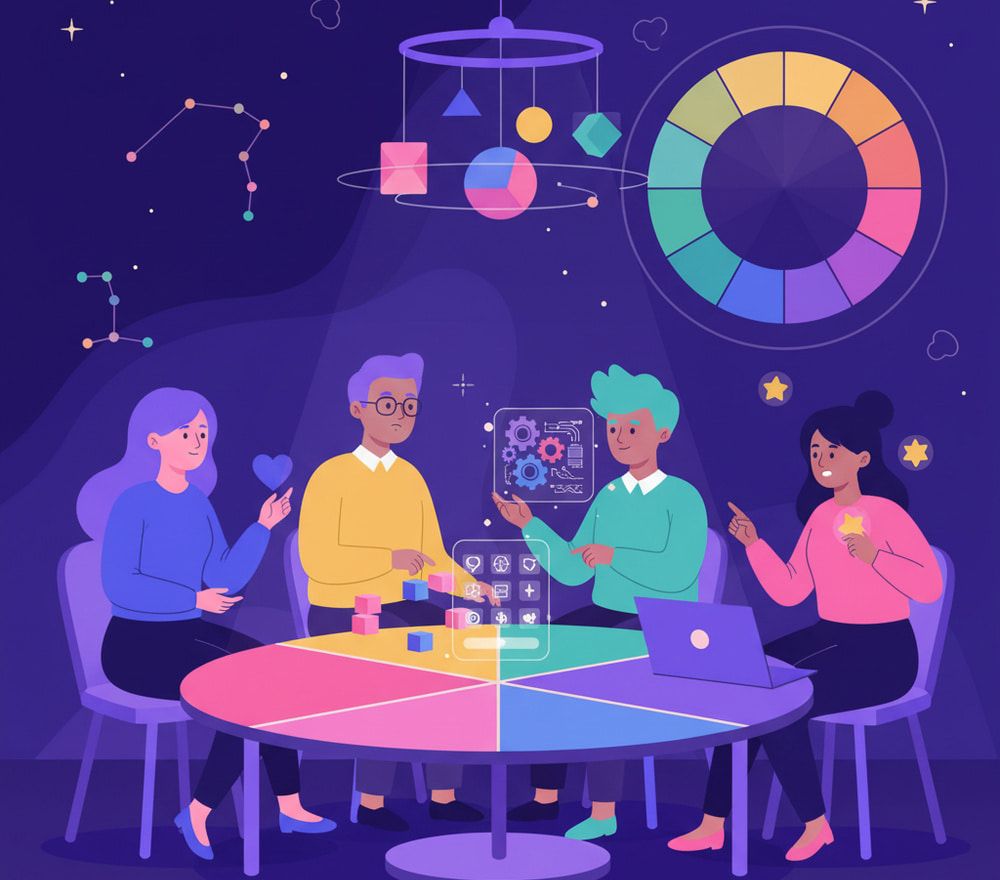
Take Color Personality Test Online
Get StartedWhat the Color Test Is and Why It Captivates So Many People
The color-based approach to personality makes complex human behavior surprisingly approachable. Instead of burying you in jargon, it translates observable preferences into four memorable hues that symbolize distinct yet complementary ways of thinking, communicating, and making decisions. Across workplaces and classrooms, the true colors personality test offers a vivid, easy-to-grasp lens for understanding temperament. That accessibility helps beginners build self-awareness while giving seasoned leaders a common vocabulary for coaching and conflict resolution. The model’s appeal also comes from its emphasis on strengths, which encourages people to value differences and leverage diversity for better outcomes.
As interest in practical personal development grows, more teams seek tools that blend insight with immediate application. Beyond quick quizzes, the classic true colors personality inventory organizes traits into four color categories to map patterns of behavior. Each hue reflects typical motivators, stressors, and preferred communication styles, which makes it easier to predict where collaboration will flow or falter. Because groups can align expectations faster with shared language, facilitators often use color conversations to kick off team charters, onboarding series, and cross-functional projects. The result is a smoother path from insight to action, with fewer misunderstandings and stronger trust.
How the Colors Work: Core Traits, Origins, and Interactions
At its heart, the system clusters everyday behaviors into archetypes that feel intuitive yet rich enough for serious dialogue. Most people recognize a dominant hue along with supportive secondary tendencies, and this blend creates a personal “palette” that shows up in meetings, relationships, and problem-solving. When you sort statements by preference, the true colors personality types test aggregates your choices into a color ranking that highlights dominant tendencies. Rather than boxing you in, the framework invites you to flex across styles when the situation demands it, which is essential for influence and collaboration.
Reliability grows when you pair thoughtful reflection with clear, behaviorally anchored prompts. With well-constructed prompts, the true colors personality test assessment balances clarity and nuance to reduce bias. Good facilitation then guides participants to compare results with real-world experiences, checking for alignment and discussing context. Because stress, culture, and role expectations can shape behavior, many practitioners revisit color insights over time to note shifts. This reflective loop encourages growth, making the insights less of a label and more of a living map.
Benefits You Can See: Communication, Collaboration, and Conflict Prevention
Organizations value tools that translate immediately into better meetings, faster decisions, and healthier team dynamics. The color framework excels here by turning abstract ideas into practical actions such as tailoring feedback, sequencing agendas, and balancing innovation with execution. For a snapshot of patterns, the color personality test true colors framing helps teams develop shared language. Managers can plan conversations in ways that minimize friction, while contributors learn to advocate for their needs without steamrolling others. Over time, this reduces costly misunderstandings and boosts engagement by making people feel genuinely heard.
| Color | Core Strengths | Common Pitfalls | Helpful Communication Tips |
|---|---|---|---|
| Blue | Empathy, harmony, relationship building | Over-accommodating, avoiding tough feedback | Show care, explain impact, invite dialogue |
| Gold | Stability, organization, reliability | Rigidity, change resistance, micromanaging | Clarify steps, provide timelines, confirm commitments |
| Green | Analysis, strategy, independent thinking | Overcomplicating, aloofness, indecision | Share rationale, give space for questions, offer data |
| Orange | Adaptability, energy, rapid execution | Impulsivity, shortcutting, distraction | Keep it brief, focus on outcomes, allow flexibility |
Beyond team dynamics, solo contributors benefit by aligning habits with natural strengths and planning guardrails for blind spots. As you reflect on outcomes, the your true color personality test results can anchor a personal development plan. You might choose one relationship goal, one communication habit, and one productivity tactic that match your dominant hue. With small, consistent experiments, people often see tangible improvements in influence, focus, and resilience.
How to Take the Test: Formats, Timing, and Smart Preparation
Before diving in, set aside time when you are rested and not rushing so your responses reflect typical behavior instead of temporary stress. Many providers host workshops, digital quizzes, and coached debriefs that range from quick introductions to deep dives. Options exist for a free true colors personality test through community workshops or platform promotions. As you evaluate providers, look for clear instructions, practical examples, and facilitators who emphasize strengths rather than labels, because that tone shapes how people apply the insights.
If you are testing the waters alone, start with a quick digital version and later consider a guided session to integrate results into everyday routines. With modern platforms, a true colors personality test free online option can help you explore the framework before investing in a facilitated workshop. Thoughtful debriefs elevate value, so plan to compare results with a colleague or mentor who can provide grounded observations. That conversation will often surface nuanced patterns you might miss on your own.
- Choose a quiet setting and answer based on typical behavior rather than idealized traits. For remote teams, a true colors personality test online session enables shared learning without travel constraints.
- Document examples where your style helps and where it hinders results. If budget is tight, a true colors personality test free promotion from reputable providers can be a starting point, though depth may vary.
- Schedule a follow-up check-in to translate insights into two or three concrete habits. Avoid overgeneralizing, and calibrate with peer feedback to keep things practical and objective.
Education, Coaching, and Long-Term Growth with Colors
Educators and youth leaders appreciate how the model encourages empathy, self-advocacy, and collaborative problem-solving. Classroom norms become easier to negotiate when students can name what helps them focus, participate, and take healthy risks. In classrooms, the true colors personality test students approach encourages empathy and collaborative study habits. Counselors also use color language to reframe conflict as a clash of preferences rather than a personal attack, which can lighten tension and open space for compromise.
For coaches and managers, the framework supports career conversations that align strengths with role demands and organizational goals. Teams can design rituals, such as rotating facilitation styles or alternating detail-first and big-picture-first agendas, that intentionally honor different preferences. Over time, revisiting insights after milestones creates a feedback loop that keeps growth active. As people learn to flex across hues, they expand their range of influence, and that versatility compounds value across projects, relationships, and leadership moments.
FAQ: Clear Answers to Common Questions
How accurate is the color-based approach compared to other personality tools?
Accuracy depends on honest responses, quality prompts, and thoughtful debriefs that connect results to real behavior. Practitioners recommend pairing the model with concrete examples and feedback from colleagues to verify patterns in daily work.
Can I use this model for hiring decisions?
It is better suited for development, communication, and team building than for gatekeeping. Many organizations emphasize ethical use by focusing on strengths, collaboration, and growth rather than screening or labeling candidates.
How should I interpret my results and avoid overgeneralizing?
Treat the colors as a starting point for inquiry rather than a fixed identity. Many readers wonder how their results translate into action, and my personality test true colors anecdotes often illustrate strengths and blind spots. It helps to pair insights with small experiments and periodic check-ins to see what actually moves the needle.
What if my scores are close across multiple colors?
That often indicates versatility or context-dependent behavior, which can be a strategic advantage. Focus on the situations where each hue shows up most, then design habits that let you flex intentionally instead of reacting on autopilot.
How frequently should I revisit my color insights?
Revisit after big role changes, major projects, or life transitions, because demands and stressors can shift behavior. A periodic review keeps insights fresh and aligned with evolving goals and responsibilities.