
Online Color Personality Test: A Deep Guide to Color-Based Self-Discovery
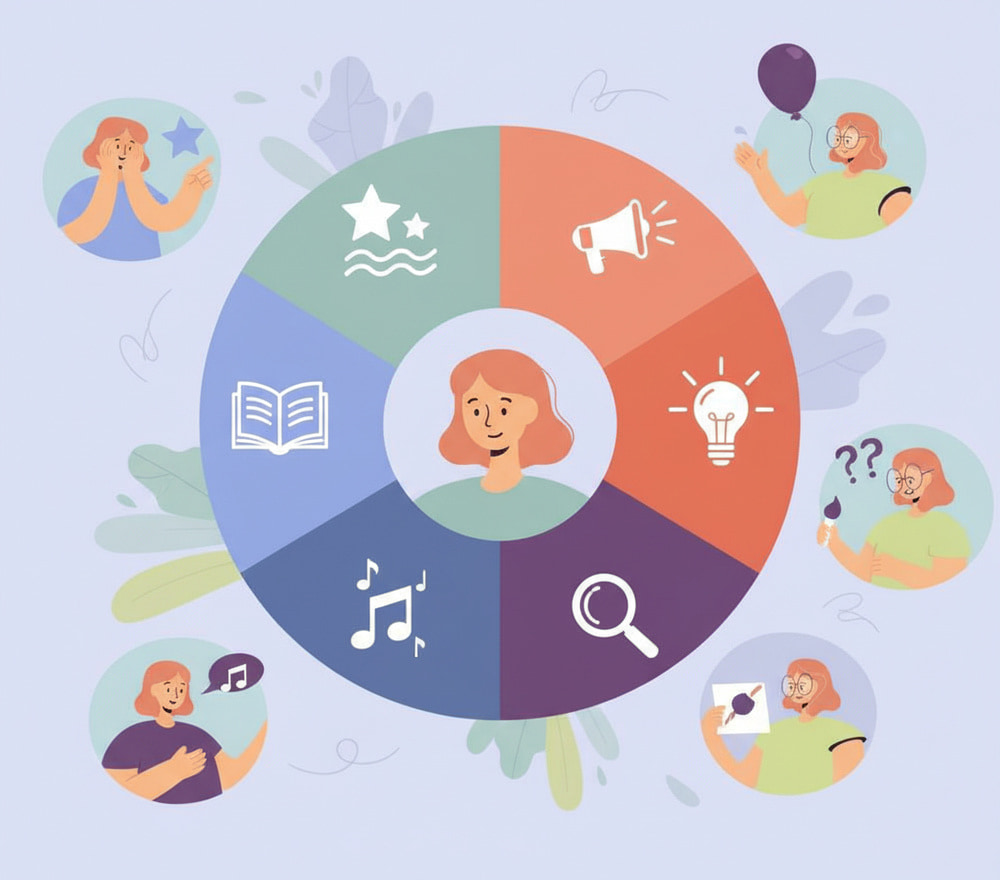
Take Color Personality Test Online
Get StartedWhat Color-Based Personality Profiling Really Means
Color-driven personality frameworks translate complex psychological patterns into vivid, memorable hues. Instead of wading through dense jargon, you visualize tendencies as palettes: calm blues, energetic yellows, grounded greens, and bold oranges, for example. This chromatic shorthand makes it easier to recognize your own preferences and to decode how others might communicate, decide, and collaborate. Beyond buzz, the approach bridges cognitive theory and everyday behavior, helping you spot triggers, strengths, and blind spots with minimal friction.
The appeal comes from fast comprehension and long-term recall. In that vein, a color personality test online can translate abstract traits into a palette you instantly grasp. By pairing color symbolism with structured questions, these tools help you map values, stress responses, and motivational drivers without losing nuance.
- Memorability: Colors stick in memory, aiding day-to-day application far beyond the assessment.
- Accessibility: Clear labels reduce entry barriers for non-psychologists and multicultural teams.
- Actionability: Insight converts to practical tactics for meetings, feedback, and conflict resolution.
- Scalability: Shared color language fosters alignment across departments and time zones.
While no model captures a person fully, color-based systems provide a pragmatic starting point. Think of them as lenses, not labels. When interpreted thoughtfully, alongside context, goals, and feedback, they can catalyze growth, sharpen collaboration, and guide better choices at work and at home.
How Color Typologies Work: From Psychology to Practical Categories
Under the hood, reputable color frameworks synthesize decades of research in trait theory, temperament, and organizational psychology. Items probe preferences under pressure, typical communication posture, and decision-making speed. Scores are then mapped to chromatic archetypes that summarize patterns without oversimplifying. The best instruments balance brevity with validity, using randomized item order, reverse-coded statements, and norming to prevent obvious “gaming.”
Exploration can start informally, then graduate to more rigorous tools as needs evolve. To test the waters, you might try a free online color personality test to experiment before committing to a paid assessment. For professional development, validated versions often include reliability stats, development tips, and role-specific guidance that inform coaching or leadership training.
- Psychometrics: Look for internal consistency measures and clear construct definitions.
- Interpretation guides: Quality reports illuminate strengths, stress flips, and communication tactics.
- Context scaling: Good tools adapt to team, leadership, sales, or customer service use cases.
- Cultural fit: Neutral language and inclusive scenarios reduce bias and improve adoption.
Remember that color labels are symbolic. Two people with the same hue may differ in intensity and secondary blends. That’s why deeper reports include subscales, situational modifiers, and development plans that evolve with your goals.
Benefits and Use Cases: From Self-Awareness to Team Acceleration
Color frameworks shine when you need shared language that defuses tension and accelerates alignment. Individuals gain clarity on energy sources, feedback style, and preferred work rhythms. Managers gain a playbook for tailoring recognition, structuring meetings, and mapping roles to strengths. Teams gain a respectful shorthand: “Let’s give our analytical blues time to review data,” or “We need our bright yellows for ideation first.” Over time, that shorthand becomes muscle memory, cutting miscommunication and decision drag.
For learners who value gentle on-ramps, many start with approachable tools. Many learners encounter a true colors personality test online when they first explore temperament through a friendly, color-coded lens. From there, organizations often adopt more robust versions that include facilitator guides, conflict maps, and dashboards for planning interventions or off-sites.
| Framework | Primary Hues | Core Traits | Best For | Approx. Time |
|---|---|---|---|---|
| True Colors | Blue, Green, Gold, Orange | Empathy, Logic, Order, Action | Education, onboarding, foundational workshops | 10–20 minutes |
| Insights-style Color Models | Red, Yellow, Green, Blue | Drive, Sociability, Support, Analysis | Sales, leadership, cross-functional collaboration | 15–25 minutes |
| Four Temperaments (color-coded) | Various by provider | Stability, Expressiveness, Control, Adaptability | Team dynamics, coaching, conflict resolution | 10–15 minutes |
| Personality Dimensions (color model) | Provider-specific palette | Values alignment and interaction style | Career planning, HR development pathways | 15–30 minutes |
Use the table as a quick filter, then validate with pilots. When choosing for a company, run a small cohort, gather feedback, and assess impact on meeting quality, project throughput, and employee sentiment. With evidence in hand, you can standardize the color language and weave it into onboarding, 1:1s, and performance conversations sustainably.
How to Take the Assessment and Interpret Results with Confidence
Start by clarifying your purpose: career transition, leadership growth, or team cohesion. Prepare a quiet space, answer honestly (not aspirationally), and complete the questionnaire in one sitting. Once you receive your profile, read beyond the headline hue to secondary colors and situational shifts under pressure.
If you are exploring options, consider low-friction entry points first. For casual exploration, a free color personality test online can provide a baseline snapshot. As you mature, move toward instruments that include developmental activities, reflective prompts, and behavioral experiments you can run over a few weeks.
Interpreting results benefits from reflection and action, not just reading. For side-by-side sampling, a free online personality color test lets you compare language and factor structure. Keep notes on what resonates, then design micro-habits, for instance, “pause before replying” for fiery reds, or “summarize decisions” for big-picture yellows, to turn insight into traction.
- Validate through feedback: Ask a colleague if your color dynamics show up as the report suggests.
- Anchor to outcomes: Tie one behavior change to a measurable result this month.
- Revisit quarterly: Track how stress or new roles modulate your color expression.
Selecting a Platform Wisely and Avoiding Common Pitfalls
Not all assessments are equal, and the slickest interface isn’t always the most rigorous. Scrutinize transparency: Does the provider explain constructs, offer reliability data, and provide clear next steps? Before sharing data, check whether a true colors personality test free online option discloses scoring logic and privacy practices. Look for explicit statements on data retention, anonymization, and opt-out controls, especially for team rollouts.
Beware of absolute labels, since personality is expressed in ranges and contexts. Confirm that reports emphasize development and situational flexibility, not rigid typing. When you require team rollouts, a true colors online personality test free trial can help you validate scale and reporting before purchase. Pilot with a cross-section of roles, then use feedback to refine facilitation guides and internal enablement materials.
- Red flags: No methodology page, pushy upsells, and vague promises of “instant transformation.”
- Green flags: Clear constructs, sample reports, facilitator resources, and consistent language.
- Adoption tip: Pair assessment with a 60–90 minute debrief to cement shared vocabulary.
- Equity check: Ensure scenarios and images reflect diverse cultures and abilities.
FAQ: Color Personality Testing
Is a color-based assessment scientifically valid?
Validity depends on the specific instrument. Reputable providers publish reliability metrics, explain constructs clearly, and avoid absolute claims. Treat the output as a map, not a destiny; combine it with observation, coaching, and performance data for the most accurate picture.
How do color profiles improve teamwork?
Shared color language shortens the path from confusion to clarity. Teams learn to anticipate differences in pace, detail, and decision style, which reduces friction in meetings and handoffs. Over time, managers can assign roles and communication tactics that harness each person’s strengths.
Can I try a color framework without paying?
Yes, many providers offer trial experiences or introductory questionnaires to help you sample the approach. You may prefer a free true colors personality test online when budget is tight, but verify quality indicators first. If the sample resonates, upgrade to a version that includes deeper reporting and coaching guidance.
How should I interpret a mix of colors?
Most people are blends. Focus on your top hue for quick wins, then integrate your second color to round out blind spots. Notice how stress amplifies or suppresses certain traits, and revisit your profile after major life or role changes to refine your strategies.
What’s the best way to apply insights after testing?
Translate one insight into one behavior for two weeks, then evaluate the impact. For example, if your profile prizes speed, pilot a “two-minute pause” before decisions; if it favors harmony, practice direct requests. Document outcomes, solicit feedback, and iterate toward habits that stick.