
Understanding the Four-Color Personality Test: A Comprehensive Guide
Take Color Personality Test Online
Get StartedWhat the Four-Color Approach Measures and Why It Endures
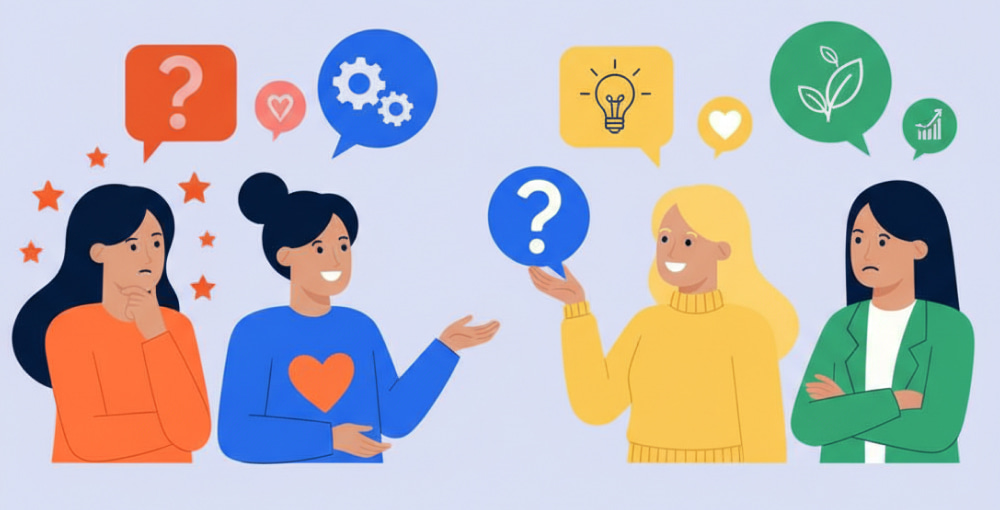
This colorful temperament framework offers a pragmatic lens for decoding people’s preferences, decision styles, and communication habits. Rather than boxing anyone into a rigid type, it maps tendencies along four vivid energy patterns often described as fiery, methodical, empathetic, and enthusiastic. That narrative makes the model both memorable and actionable, which explains its popularity in training rooms, classrooms, and coaching sessions worldwide. By translating complex psychology into an accessible palette, teams adopt a shared language that trims misunderstandings and accelerates rapport-building.
As a tool for everyday self-management, the approach invites reflection on what drives you under pressure and what lifts you at your best. Many newcomers first encounter the 4 color personality test while exploring self-awareness tools, and the immediate clarity can feel liberating. It becomes easier to anticipate stress triggers, articulate needs, and negotiate work styles with colleagues. Leaders, meanwhile, gain a cheat sheet for tailoring feedback, designing meetings that blend reflection with action, and shaping roles around natural strengths.
Importantly, a color profile is not destiny. People flex across contexts, maturing through experience and feedback. The palette simply highlights comfort zones and blind spots so you can consciously stretch when circumstances demand it. Used ethically, the model promotes curiosity, not stereotyping, and encourages skillful communication that respects nuance. When combined with structured reflection and measurable goals, it becomes a compact compass for personal growth and collaborative excellence.
How the Model Works and the Psychology Behind It
Beneath the paint lies a synthesis of temperament theory and modern organizational behavior. The framework clusters observable behaviors into four archetypal styles, each defined by core motivations, pacing preferences, and informational needs. Some people display decisive, results-first momentum; others favor precision, depth, and careful validation. Another group prioritizes harmony and steady support, while a fourth thrives on spontaneity, ideation, and social energy. These patterns often correlate with differences in risk tolerance, feedback appetite, and problem-solving cadence.
In practice, coaches administer brief questionnaires to surface dominant and secondary hues, then facilitate debriefs that translate scores into daily habits. Practitioners emphasize context, reminding users that stress can amplify certain traits while muting others. For learners seeking a structured primer, an entry point like the 4 colors personality test provides immediate terminology without drowning people in jargon. Over time, the most effective programs pair insights with behavior experiments, such as rewriting emails for different audiences or adjusting meeting formats to balance dialogue and decisions.
Psychometrically, color frameworks aim for clarity and utility rather than exhaustive clinical diagnosis. Validity rests on whether the language helps people communicate better, reduce friction, and collaborate across differences. When leaders model the vocabulary, teams adopt it as a shorthand to negotiate expectations. That shared lexicon accelerates conflict de-escalation, smooths handoffs between roles, and sharpens situational awareness in high-stakes moments.
Benefits for Teams, Careers, and Relationships
Practical payoffs appear quickly when a team adopts a common color language. Meetings become more intentional, agendas balance analysis with action, and feedback lands with less defensiveness. Individuals learn to “dial up” or “dial down” behaviors on purpose, which enhances credibility and trust. In hiring and onboarding, color insights assist with crafting role expectations and coaching plans that set people up to succeed from day one. Partners and families, meanwhile, use the palette to normalize differences and co-create rituals that honor varied needs for space, structure, or spontaneity.
If you’re budget-conscious, you might begin with a reputable screener labeled as 4 colors personality test free and then dig deeper with coaching or workshops. The key is to transform insights into experiments: try a new way of framing proposals, switch facilitation styles, or add check-in questions that surface unspoken concerns. Over a few cycles, communication friction tends to drop, and momentum grows.
- Build empathy by learning what energizes and drains each style.
- Reduce rework by tailoring briefs and requests to audience preferences.
- Speed decisions by clarifying when precision or pace should lead.
- Lower conflict by naming stress signals and agreeing on cooling strategies.
- Strengthen culture by celebrating diverse approaches to excellence.
Because the model is visual and memorable, it sticks. People recall colors faster than dense typologies, which keeps the language alive in daily routines like standups, retrospectives, and one-on-ones.
Color Profiles at a Glance: Traits, Motivators, and Stress Signs
Quick-reference summaries help teams act on insights without pausing for long explanations. While no snapshot captures a whole person, a concise comparison clarifies what to expect and how to collaborate more thoughtfully. Comparative snapshots can help people decode patterns faster than a long narrative about the 4 color test personality mapping, especially during onboarding or cross-functional projects. Use the following table as a practical aid when planning meetings, writing briefs, or allocating responsibilities.
| Color | Core Drive | Notable Strengths | Watch-outs | Best Collaboration Tips |
|---|---|---|---|---|
| Red | Action and results | Decisive, bold, goal-focused | Impatience, abrupt tone | Be concise, propose outcomes, offer autonomy |
| Blue | Accuracy and clarity | Thorough, analytical, reliable | Over-detailing, analysis paralysis | Share data, define scope, allow preparation time |
| Green | Harmony and support | Steady, empathetic, patient | Avoidance of conflict, slow to change | Invite perspectives, provide stability, don’t rush decisions |
| Yellow | Inspiration and possibilities | Enthusiastic, creative, persuasive | Distraction, over-optimism | Keep it interactive, explore ideas, confirm next steps |
Remember that everyone blends colors, and behavior flexes with context. Design rituals that honor each style: provide pre-reads for depth-seekers, timeboxes for drivers, space for reflection for steady supporters, and brainstorming moments for ideators. When teams make these small, systematic adjustments, engagement and throughput often rise together.
Practical Steps to Implement the Framework in Daily Life
Adoption sticks when you integrate color-savvy habits into the fabric of work rather than treating them as a one-off seminar. Start by mapping your personal triggers and strengths, then draft two or three micro-behavior experiments for the next month. For example, you could reframe requests with explicit outcomes, add a factual summary to proposals, or schedule short reflection windows after intense meetings. Over time, collect feedback from colleagues to fine-tune your playbook and avoid slipping into caricatures.
For early exploration without barriers, some teams pilot a lightweight assessment such as a free 4 color personality test before investing in deeper facilitation. After you build a shared vocabulary, introduce a simple protocol for meetings: clarify the decision type, state the preferred pacing, and invite contributions in multiple formats. Those small structural shifts create a climate where each style can contribute fully without talking past one another.
- Write emails with a crisp subject, brief context, and clear ask.
- Balance agendas with discovery, analysis, and commitment phases.
- Rotate facilitation so different styles shape the group process.
- Use retrospectives to spot friction patterns and iterate your norms.
- Celebrate wins using language that resonates across styles.
Keep the tone curious and provisional. The aim is sustainable collaboration grounded in respect, not labels that freeze people in place.
FAQ: Your Questions Answered
Is this framework scientifically valid?
It is designed as a practical heuristic for communication and collaboration, not a clinical diagnostic. Its value shows up in outcomes like clearer expectations, faster alignment, and fewer interpersonal misfires. Many organizations pair it with evidence-informed practices such as structured feedback and goal setting.
Can someone change colors over time?
Core preferences tend to be stable, yet expression can shift with role demands, feedback, and deliberate practice. Under stress, people may temporarily lean into a more extreme version of their dominant style, which is why self-awareness and recovery routines matter.
How should teams introduce the model without stereotyping?
Set ground rules that emphasize curiosity and consent. Invite people to share what helps them thrive, avoid assumptions, and use the language to request accommodations rather than to pigeonhole colleagues. Reinforce that everyone blends multiple energies that flex by context.
Where can I start if I’m new to this?
A short primer, a brief assessment, and a debrief conversation create a solid launchpad. Many teams begin with a workshop, then embed cues into agendas, email templates, and project kickoffs to keep the vocabulary alive after the session.
How does this relate to other assessments I’ve taken?
Think of it as a translation layer that turns temperament insights into fast, everyday cues. You can map findings from other tools onto the color language to streamline collaboration, including insights that align with the personality 4 colors test perspective for shared understanding across your team.